

Basement Development
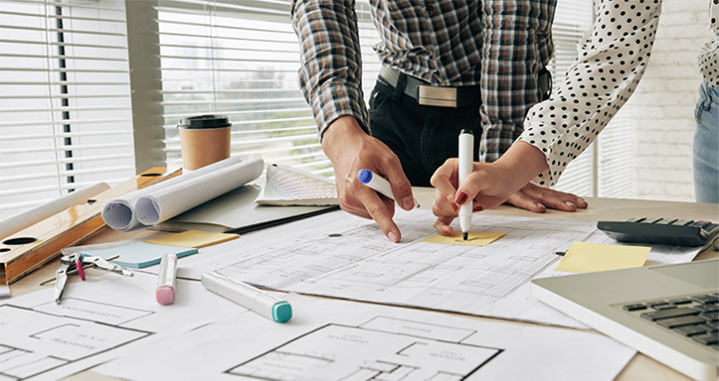
Basement development is a popular way to add livable space to a home. In residential construction, a basement can be transformed from an unused, unfinished area to a functional living space through a process called basement development. Here are some key aspects of basement development in residential construction:
- Waterproofing: One of the most important considerations when developing a basement is waterproofing. This includes ensuring proper drainage, sealing any cracks, and using water-resistant materials to prevent water damage.
- Insulation: Proper insulation is necessary to maintain a comfortable temperature in the basement. This can also help to reduce energy costs by preventing heat loss.
- Electrical and Plumbing: If the basement will be used as a living space, it will require electrical and plumbing systems. This may include adding new electrical outlets, light fixtures, and plumbing fixtures such as sinks and toilets.
- Flooring: The choice of flooring for a basement will depend on the intended use of the space. Some common options include carpet, tile, vinyl, and hardwood.
- Finishing: Once the basement has been waterproofed, insulated, and has the necessary electrical and plumbing systems installed, it can be finished to create a functional living space. This may include adding walls, ceilings, and paint.
Overall, basement development can be a cost-effective way to add livable space to a home. By properly waterproofing, insulating, and finishing the space, a basement can be transformed from an unused area to a comfortable and functional living space.
